Understanding data4 min read
A popularity list tells you something about recorded use. It does not tell you whether a name fits your family, how every person pronounces it or how common it will feel in your community.
Read the complete guide ↗
Spelling & sound4 min read
Similar-looking or similar-sounding names do not automatically form one category. Keep exact spellings visible, then discuss pronunciation and family preference as separate questions.
Read the complete guide ↗
Spelling & sound4 min read
A pronunciation conversation works best when people describe what they intend and listen to actual examples. A spelling, automated voice or popularity count cannot settle every language difference.
Read the complete guide ↗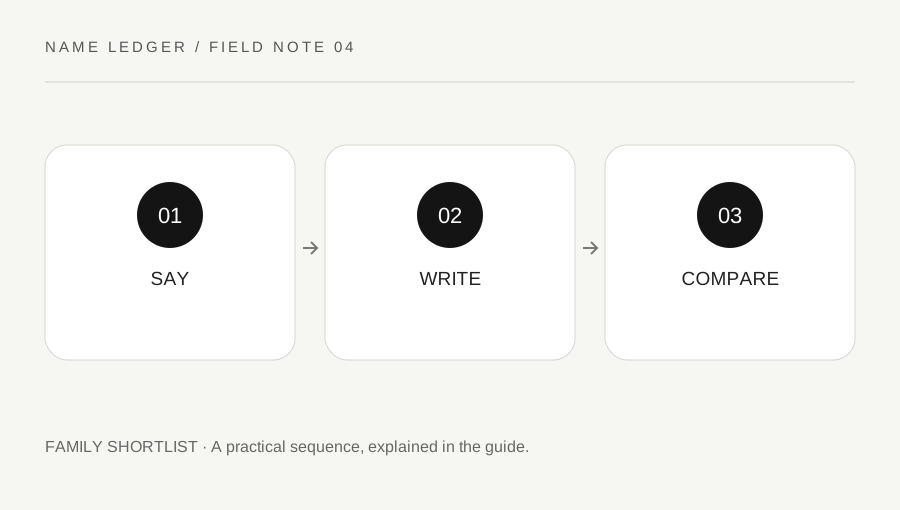
Family shortlist4 min read
A full name is spoken and written as a sequence. Try that sequence at normal speed instead of relying on a formula about how many syllables the first and last names should contain.
Read the complete guide ↗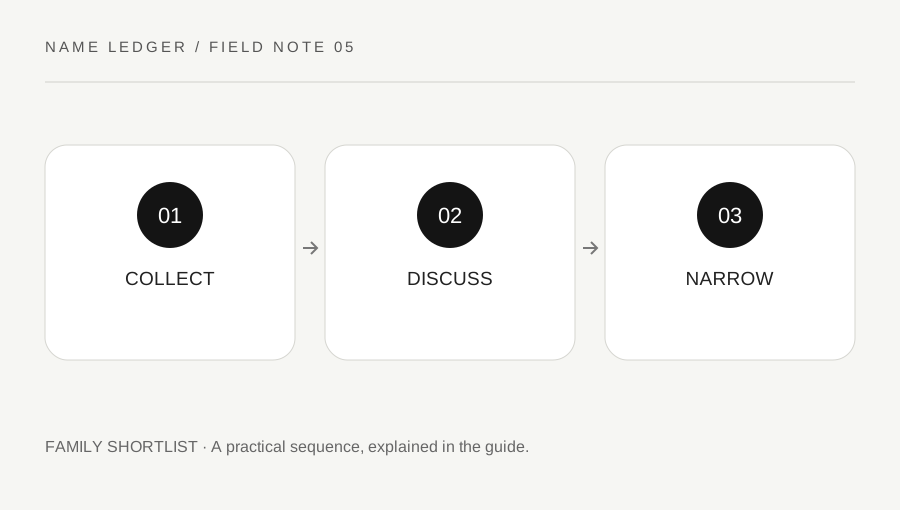
Family shortlist4 min read
A shortlist should reduce repeated searching and make the next conversation easier. Keep a few real candidates, a clear reason for each and a record of what you still need to check.
Read the complete guide ↗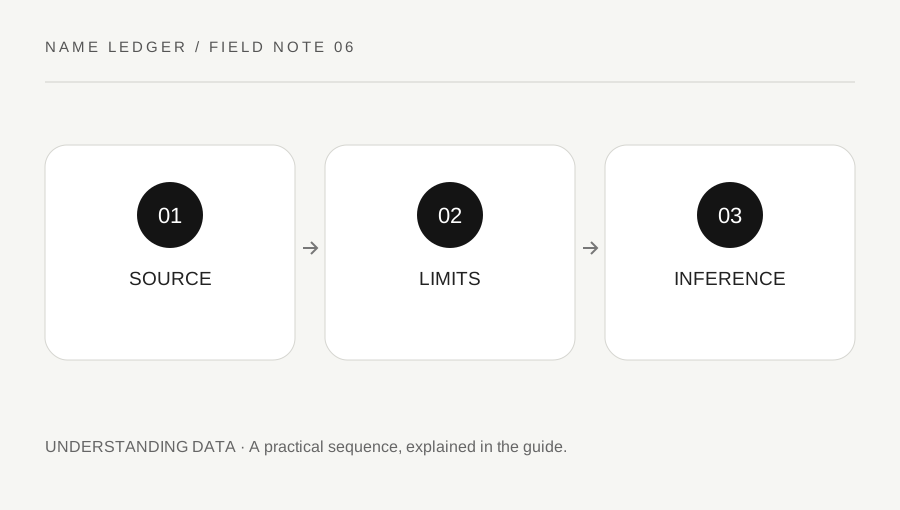
Understanding data4 min read
A source becomes more useful when its boundaries are clear. Read national baby-name data as a specific historical record, with publication rules and categories, rather than a global census of names.
Read the complete guide ↗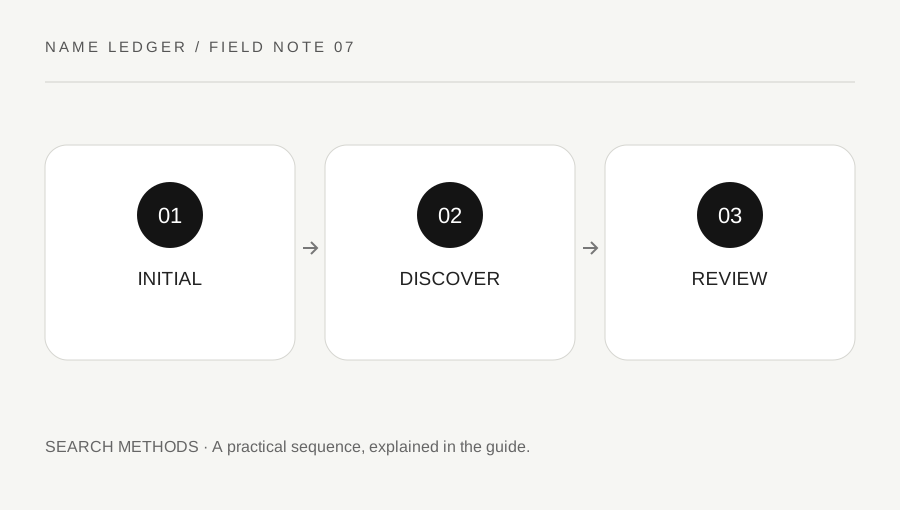
Search methods4 min read
An initial can make a large list manageable, but it should be a deliberate preference. Use it to discover candidates and then check what matters beyond the first letter.
Read the complete guide ↗
Spelling & sound3 min read
A short spelling is not always a short spoken name. Compare the written form, preferred pronunciation and everyday context instead of treating character count as a complete description.
Read the complete guide ↗
Understanding data3 min read
The same spelling can appear in more than one source category. Read those rows as published observations, and keep recorded categories separate from rules about who can use a name.
Read the complete guide ↗
Search methods3 min read
No result is a result about a search, not proof that a name has never been used. Check the filters, spelling and source scope before describing a candidate as unique.
Read the complete guide ↗
Family shortlist3 min read
A formal name and an everyday short form can serve different purposes. Compare them deliberately and avoid assuming that everyone will use the nickname you have planned.
Read the complete guide ↗
Family shortlist3 min read
An honor name can carry a full spelling, an initial, a sound or a personal association. Clarify which connection matters before choosing a form or comparing popularity.
Read the complete guide ↗
Family shortlist3 min read
A shared theme can be enjoyable, but names also need to work as ordinary calls and introductions. Compare the real household forms without assuming siblings must sound like a set.
Read the complete guide ↗
Family shortlist3 min read
A middle name can carry a family connection or simply a form you enjoy. Decide its purpose, then compare the complete sequence without assuming it must solve every competing preference.
Read the complete guide ↗
Research methods3 min read
An appealing meaning can travel far without a reliable reference. Verify the specific spelling and language, and distinguish documented etymology from a modern family association.
Read the complete guide ↗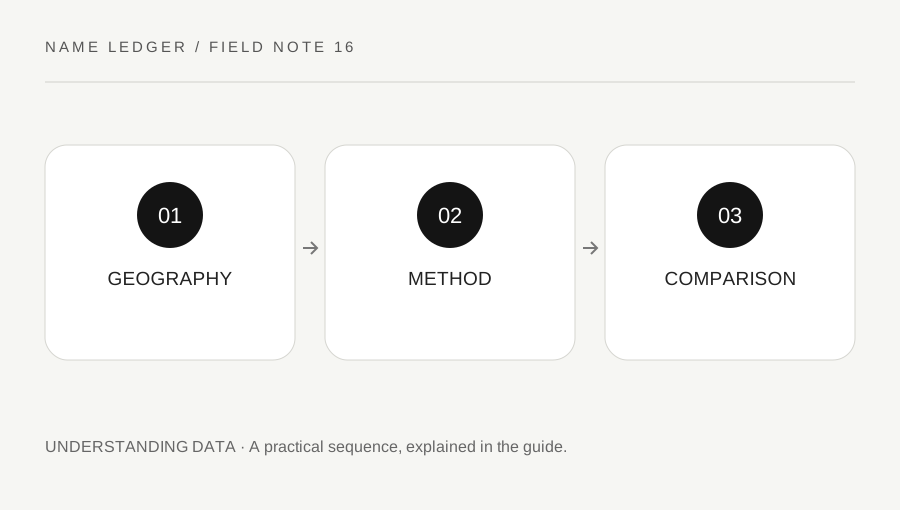
Understanding data3 min read
Lists from different places can broaden a shortlist, but their counts are not interchangeable. Keep geography, year and methods attached to every comparison.
Read the complete guide ↗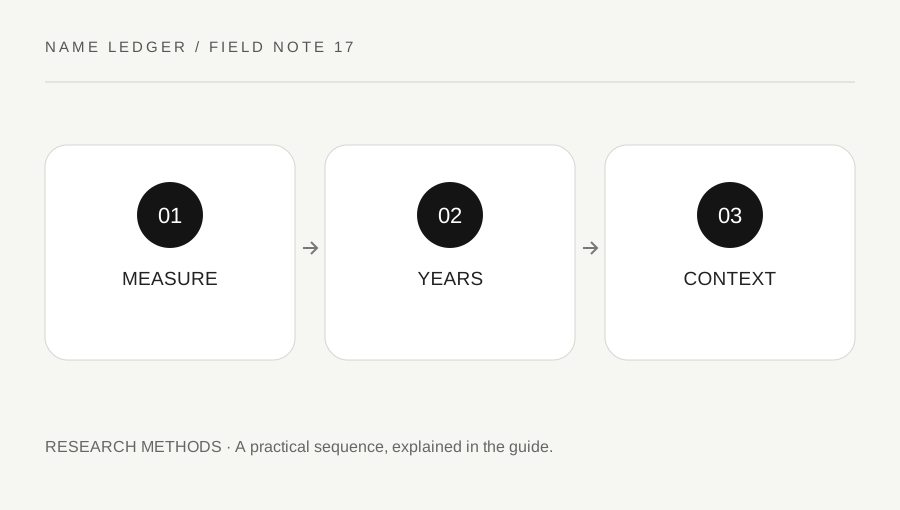
Research methods4 min read
Rising can describe several different measurements. Before a trend influences your shortlist, identify the years, exact spelling and quantity being compared.
Read the complete guide ↗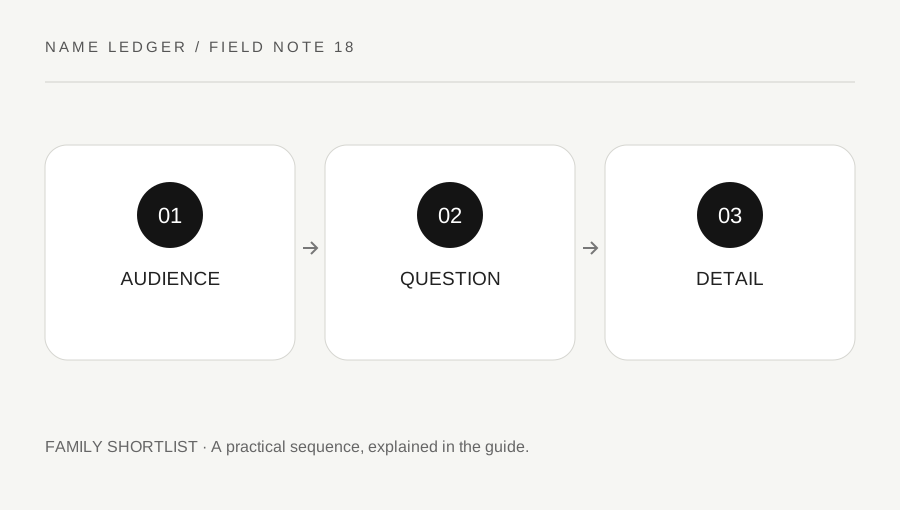
Family shortlist3 min read
You can ask for a specific opinion without publishing the entire family decision. Choose the audience, the question and the amount of identifying detail deliberately.
Read the complete guide ↗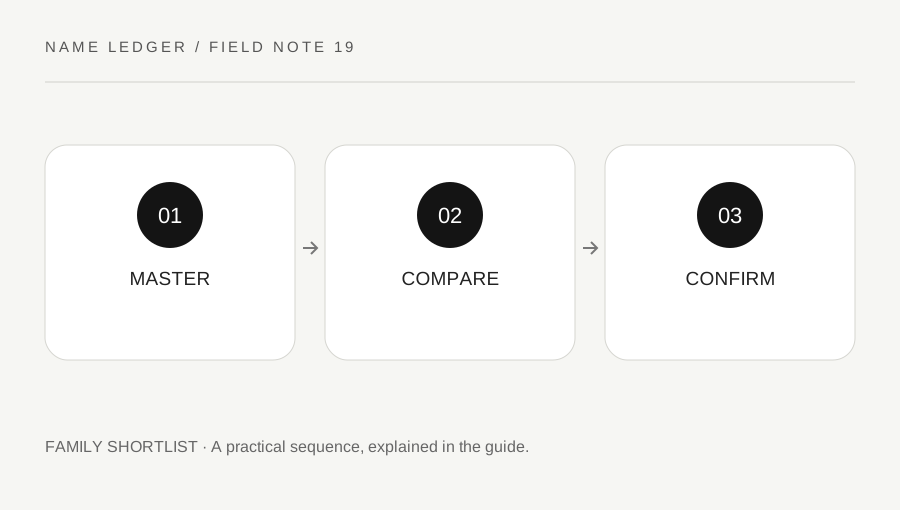
Family shortlist3 min read
After a long search, a small transcription mistake can still cause confusion. Create one checked spelling and follow the relevant authority’s instructions when completing official documents.
Read the complete guide ↗
Research methods4 min read
A useful list explains where its information comes from and what its labels mean. Check the source behind claims such as rare, traditional, international or fast-rising before using them as facts.
Read the complete guide ↗